June in the Apiary: What Your Honey Bees Are Doing Right Now in Michigan
For many people, spring is when they first notice honey bees returning to the garden. But for a beekeeper, June is when the real magic begins.
Here in Pierson, Michigan, June marks the transition from spring buildup to peak colony performance. The small clusters of bees that survived winter have transformed into thriving colonies containing tens of thousands of workers, all focused on one mission—collecting nectar, raising the next generation of bees, and preparing for the seasons ahead.
Understanding what happens inside the hive during June helps explain why this period is one of the most exciting and important times of the beekeeping year.
A Colony at Its Peak
A healthy honey bee colony can grow from just a few thousand bees emerging from winter into a population of 40,000 to 60,000 bees by early summer.
This dramatic expansion is driven by the queen’s incredible ability to lay thousands of eggs per day during peak season. The eggs laid during the early spring become the workforce that powers the colony through the major nectar flows of summer.
By June, every bee has a specialized role:
Young nurse bees care for developing brood.
House bees process incoming nectar and maintain the hive.
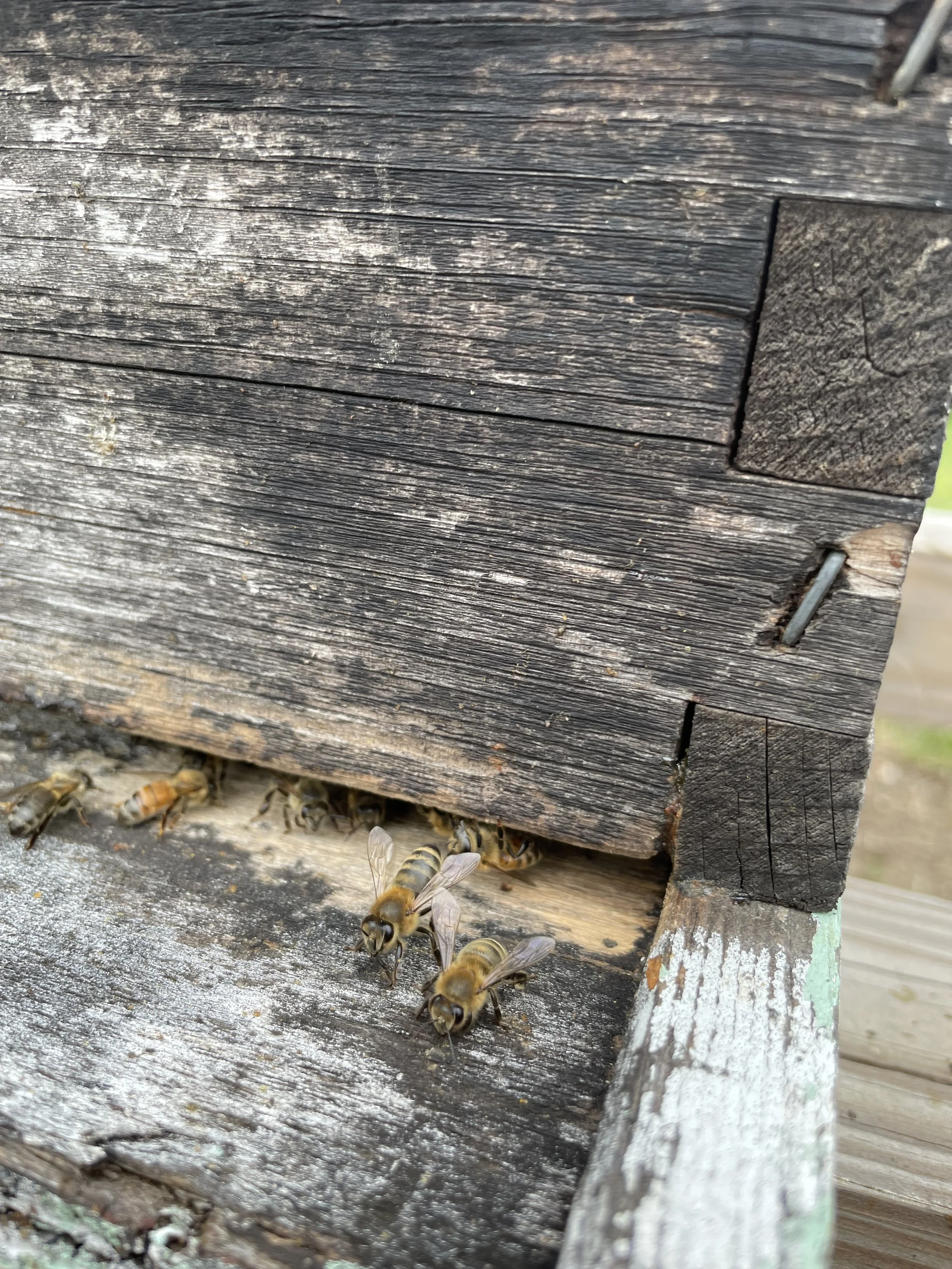
Guard bees protect the entrance from intruders.
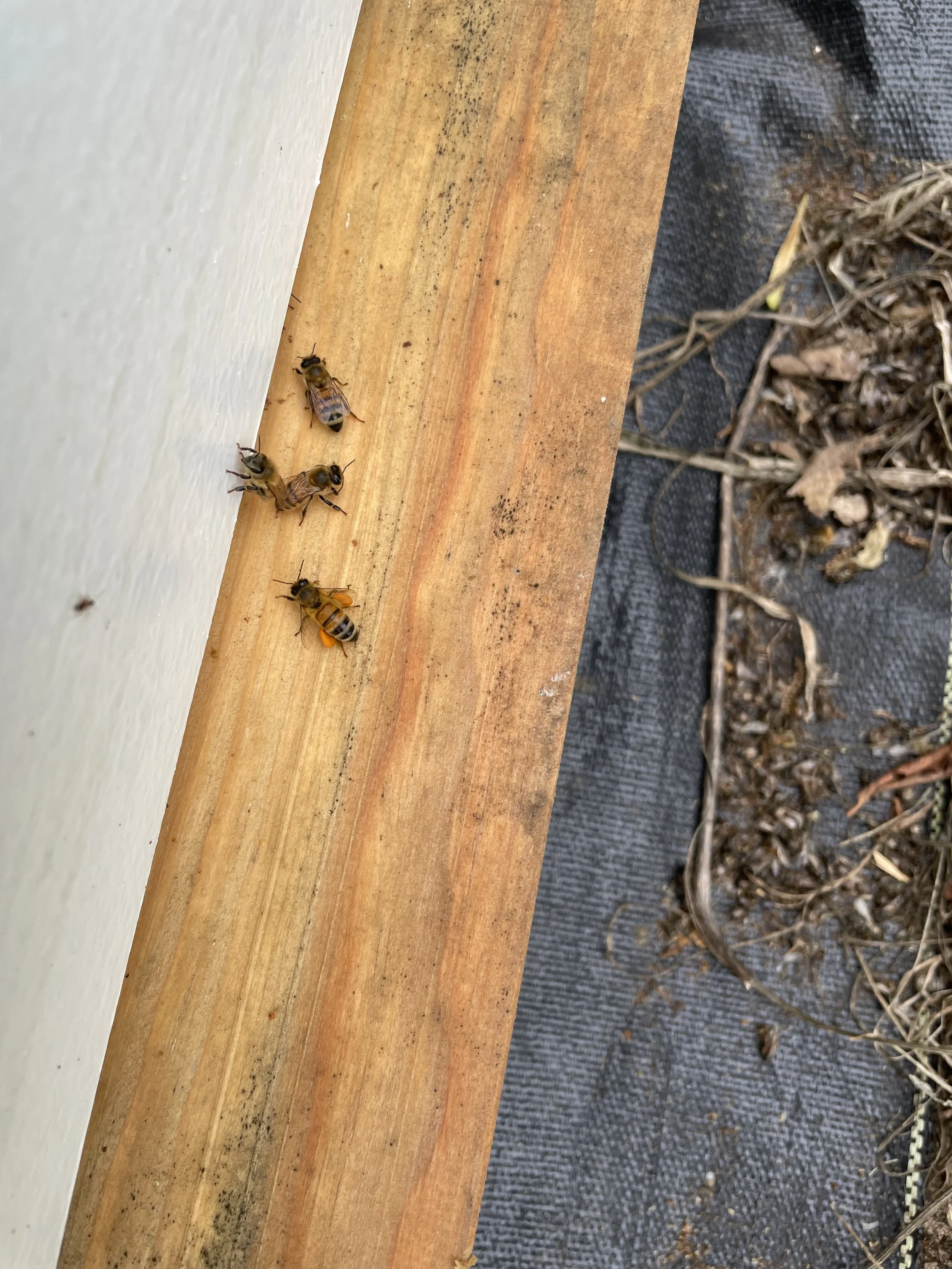
Forager bees travel thousands of flights collecting nectar, pollen, water, and tree resins used to make propolis.
The colony functions as a highly organized superorganism where the success of the hive depends on the coordinated effort of thousands of individuals.
The Start of Michigan's Summer Nectar Flow
June is also when the landscape begins to reward months of preparation.
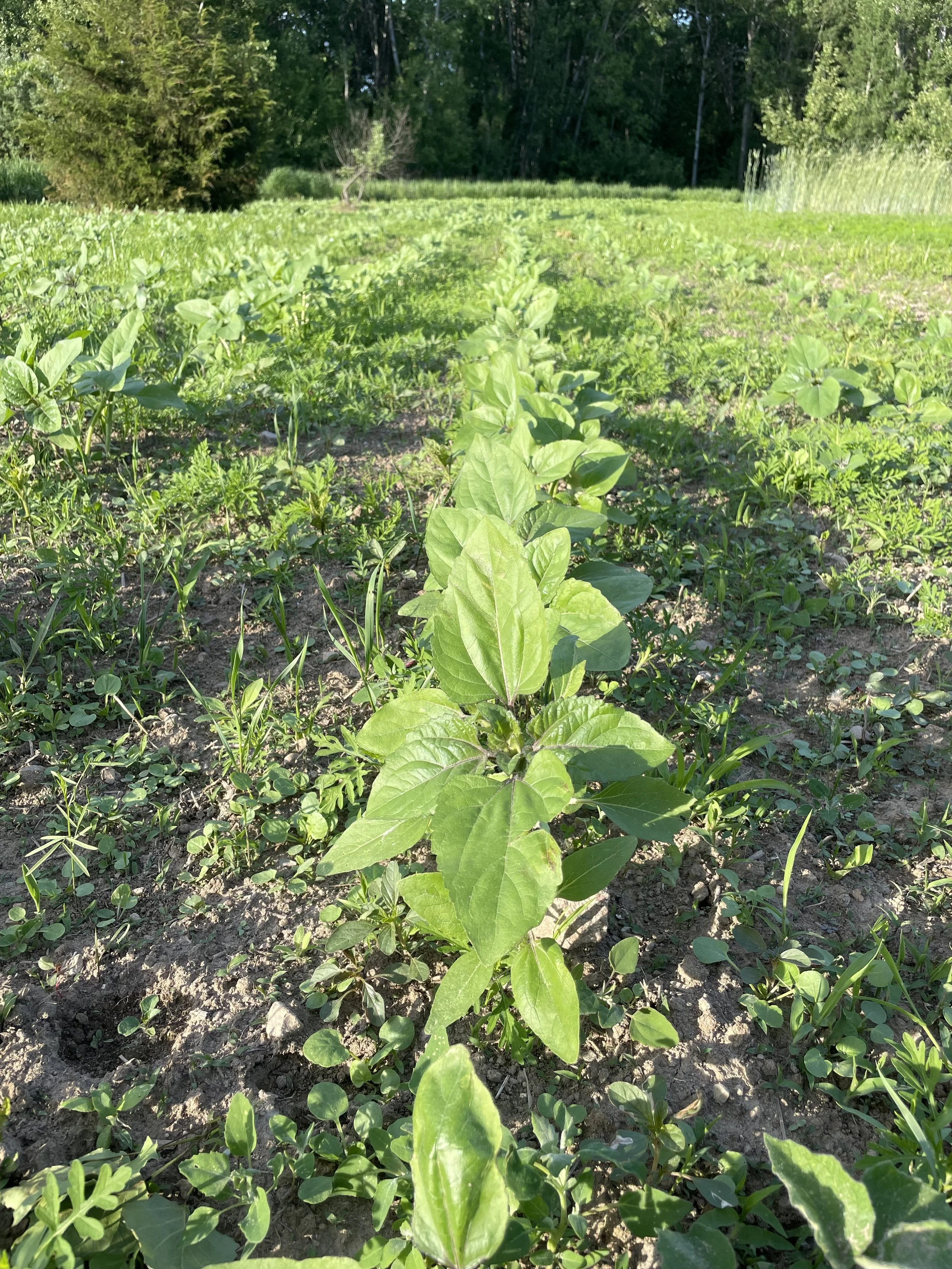
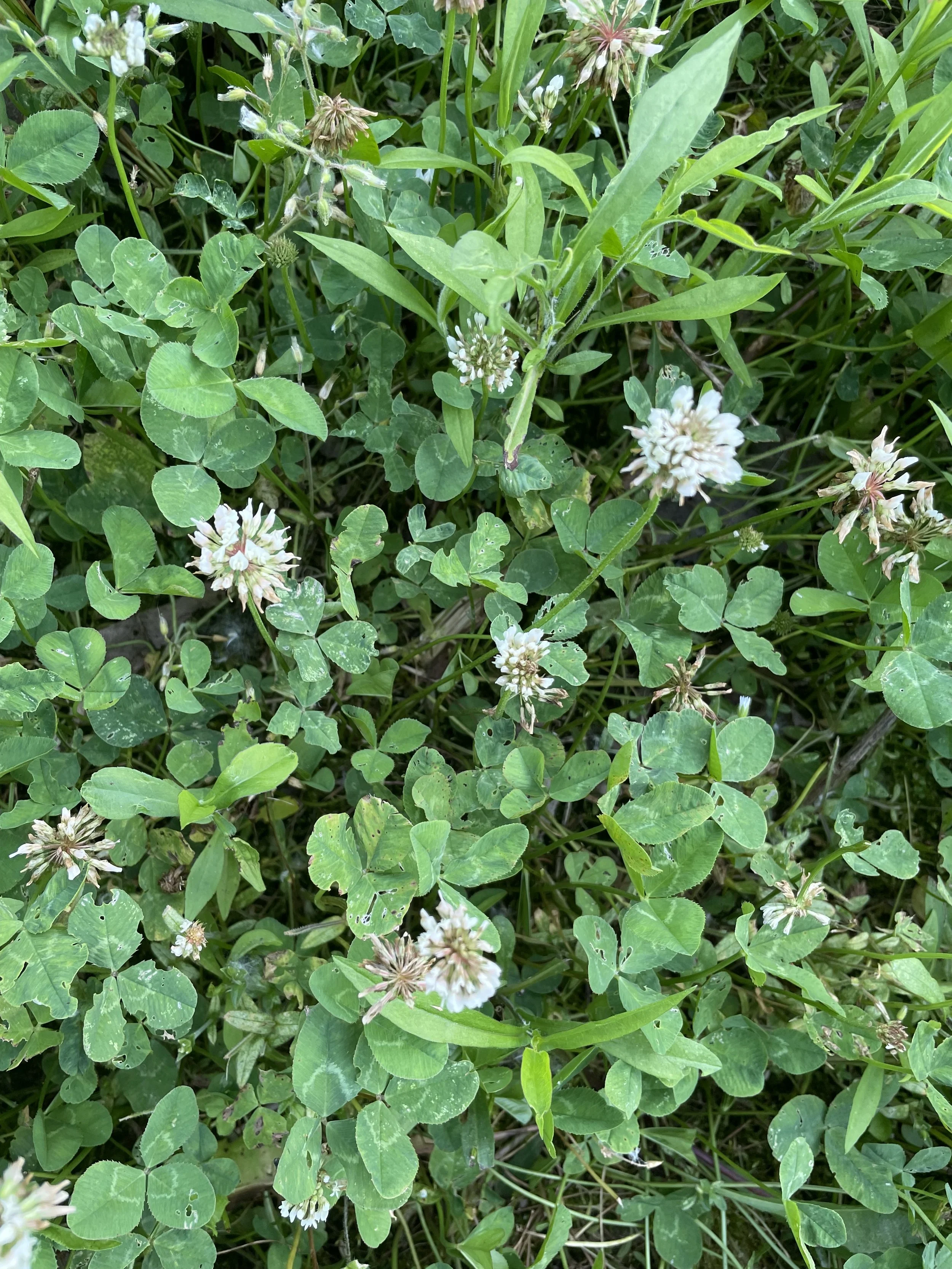
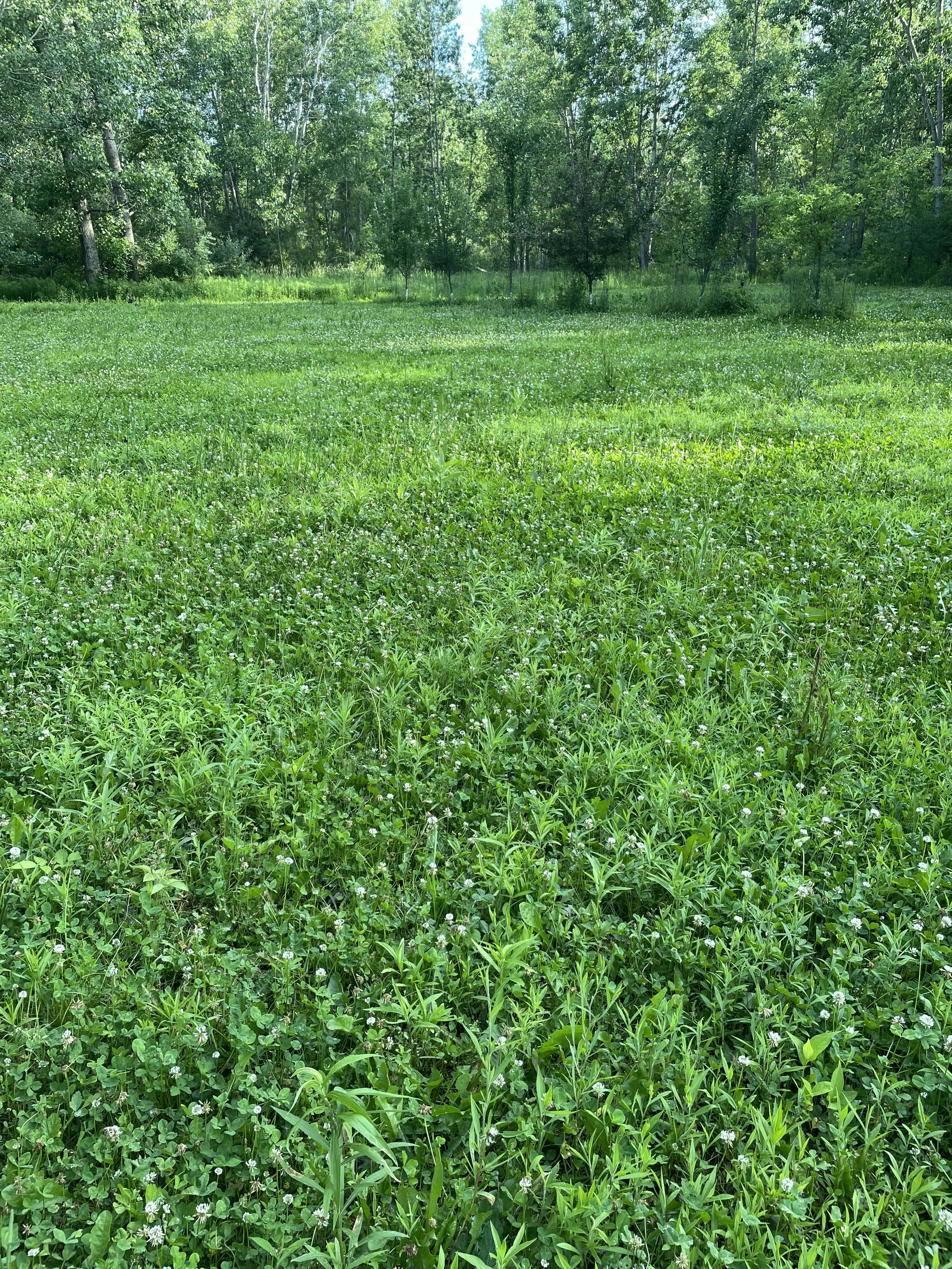
In the Pierson area, white clover becomes an important nectar source, often producing the light, mild honey many Michigan consumers know and love. As the season progresses, basswood trees can provide one of the most prized nectar flows of the year, producing a uniquely flavored honey highly valued by beekeepers.
Strong colonies must be ready before these flows begin. A hive that reaches peak population too late may miss much of the opportunity.
This is why successful spring management—proper nutrition, strong queens, disease and mite management, and careful population growth—is critical to a productive honey season.
More Than Just Making Honey
While honey production is the most visible sign of a healthy colony, June is also a critical time for building the future of the apiary.
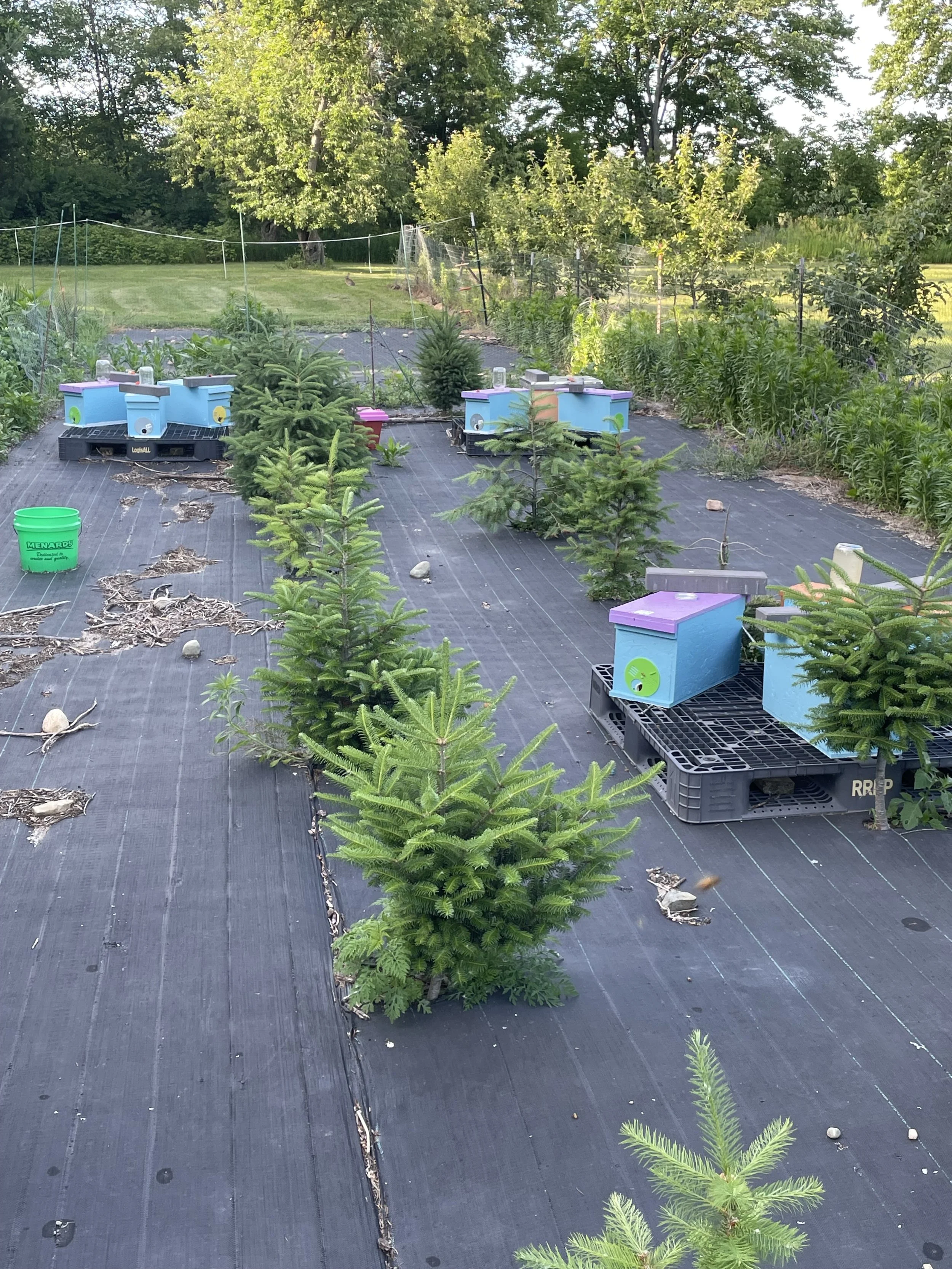
At Larsen's Lake Apiary, not every colony has the same purpose. Some are dedicated honey producers, while others are selected for raising queens, producing drones, and creating future nucleus colonies.
This intentional approach allows us to improve our genetics while maintaining strong, healthy colonies adapted to Michigan conditions.
During this time of year, our queen program focuses on evaluating important traits such as:
Temperament and ease of management
Brood pattern and productivity
Colony growth and population development
Honey production potential
Overwintering success
By selecting for these characteristics, we aim to develop bees that are not only productive but also enjoyable for backyard beekeepers to manage.
Why Summer Nucleus Colonies Are Worth Considering
Many new beekeepers believe the only time to start with bees is in the spring. While spring nucs are popular—and our early season nucs sold out quickly—a well-managed summer nucleus colony can also be an excellent option.
By late June and July, a quality nuc should have:
A proven, actively laying queen
Multiple cycles of healthy brood
A strong population of workers
Balanced food reserves of pollen and nectar
With proper feeding and management, summer nucs have ample time to establish themselves, grow into strong colonies, and prepare for their first Michigan winter.
For many beekeepers, a late-season nuc provides the opportunity to start with a more established colony and enjoy the learning experience throughout the second half of the season.
Looking Ahead
Although June is the beginning of honey production, experienced beekeepers know that the work happening now determines the success of the entire year—and even the next.
The strength of the colony, the quality of the queen, the availability of nectar, and the beekeeper’s management decisions all come together during this exciting time.
At Larsen’s Lake Apiary, we are currently focused on managing our honey production colonies, continuing our queen breeding program, and preparing our late June and July nucleus colonies for new beekeepers.
The bees are entering their busiest season, and so are we.
Interested in Starting Your Beekeeping Journey?
Our early spring nucleus colonies are sold out, but a limited number of late June and July nucleus colonies are still available.
Each colony is carefully managed and evaluated for queen quality, brood health, population strength, and overall readiness for success in Michigan conditions.
Contact Larsen’s Lake Apiary to reserve your summer nucleus colony and experience the remarkable world of honey bees.
