What Makes a High-Quality Nucleus Colony? (And What Most Sellers Don’t Tell You)
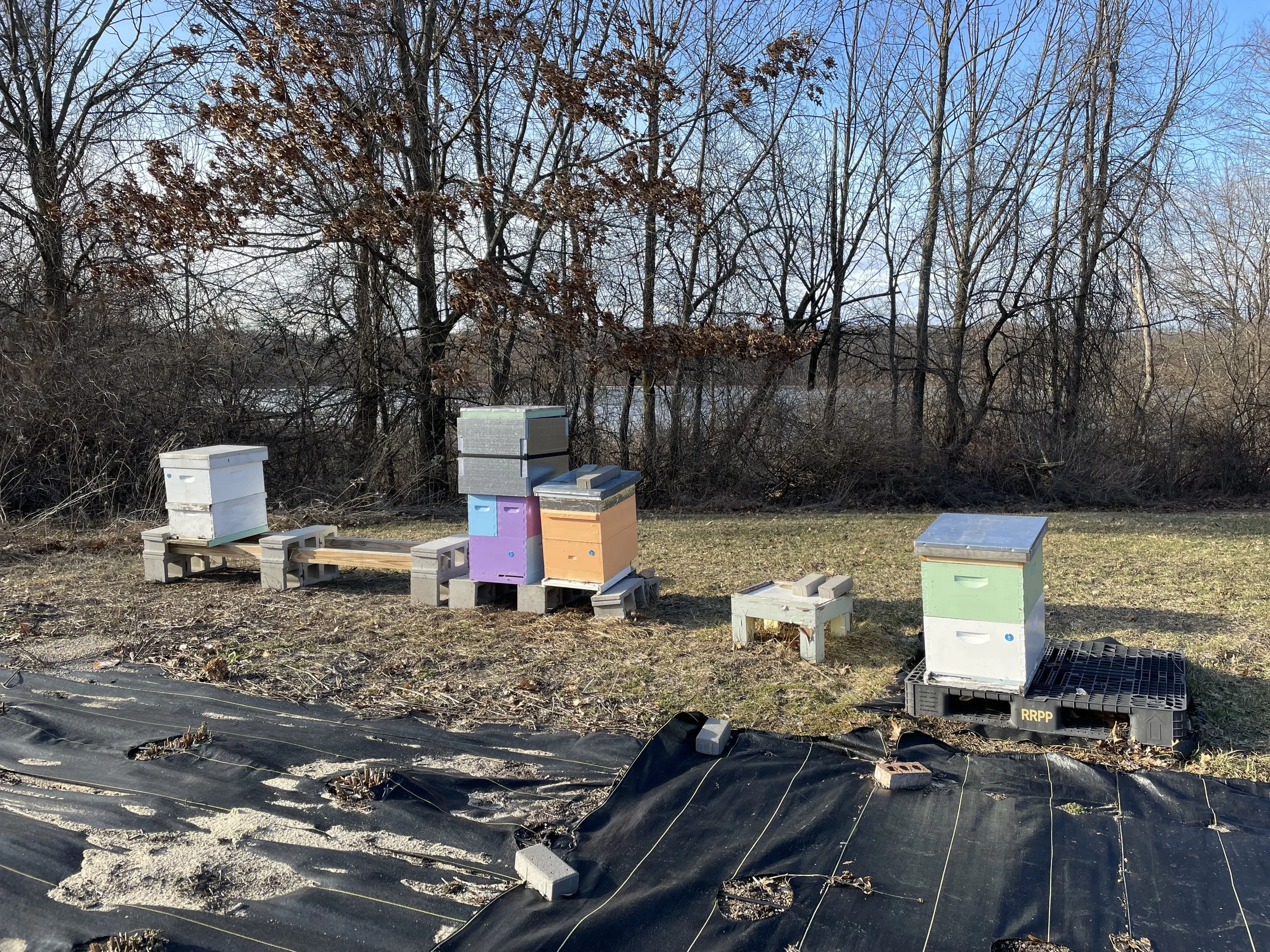
When you’re buying a nucleus colony, it’s easy to assume they’re all the same. Most listings sound identical—“5 frames of bees,” “laying queen,” “ready to go.”
But here’s the truth:
The quality of your nuc determines your entire season.
At Larsen’s Lake Apiary, we’ve built our program around producing strong, balanced, fast-growing colonies that perform in real Michigan conditions—not just look good on pickup day.
Our early May nucs are already sold out, and that’s not by accident. It reflects the level of planning, management, and quality we put into every colony.
Now, we’re focused on producing our late June and July nucs, which offer a different—but often overlooked—advantage.
1. Brood Quality Is Everything
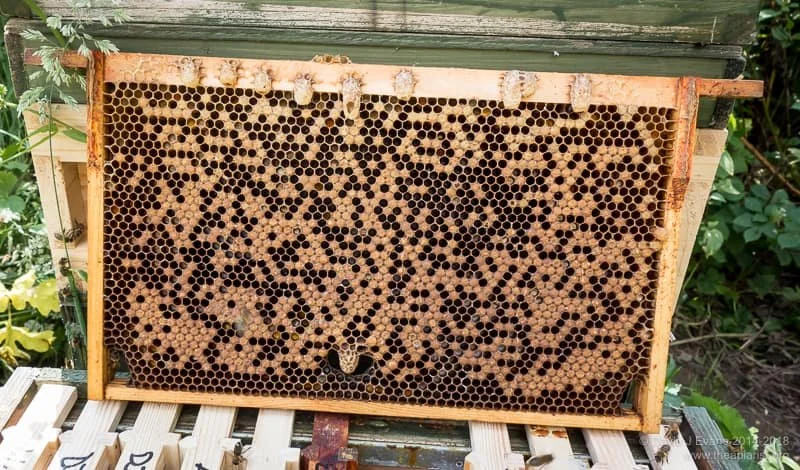
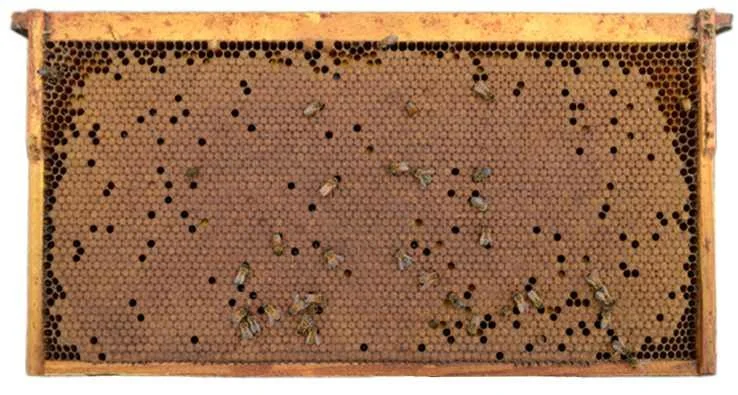
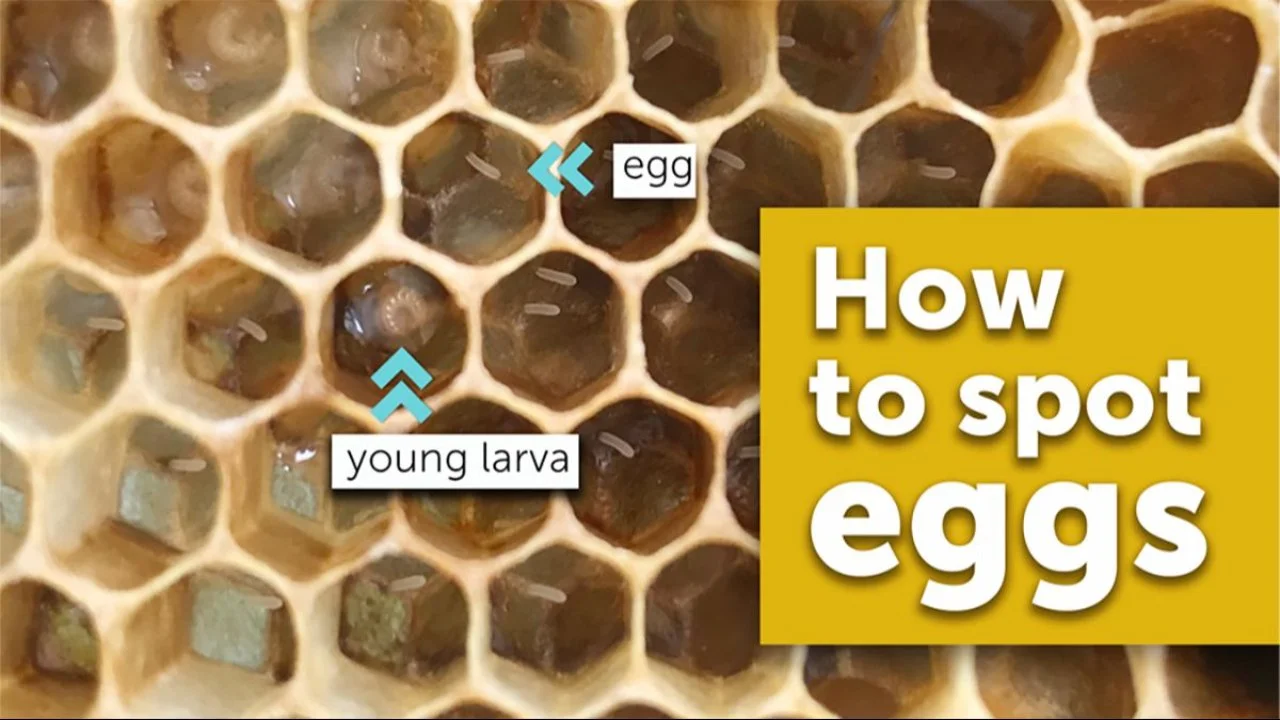
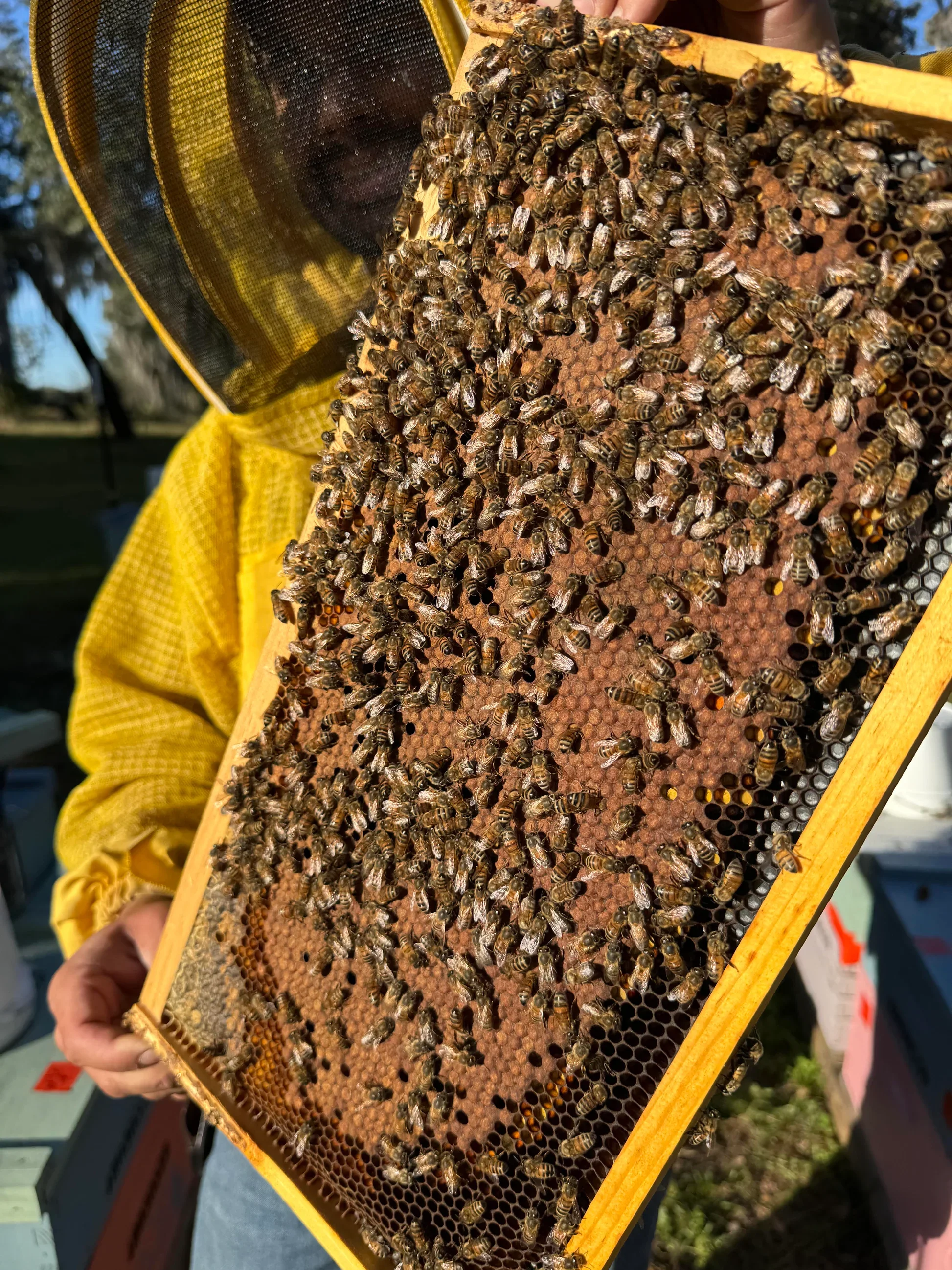
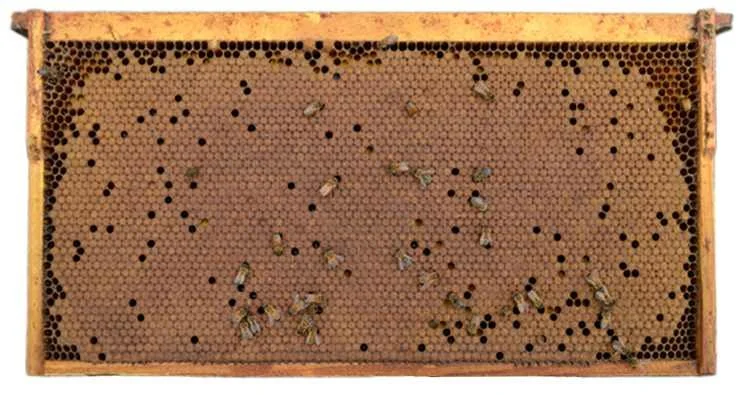
The most important factor in any nuc is the brood pattern.
A strong colony should have:
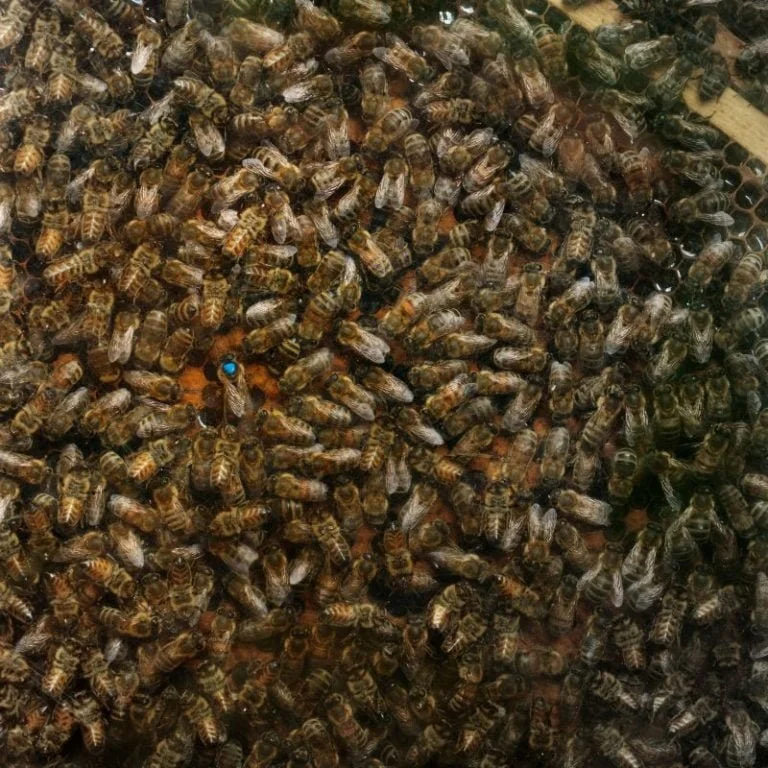
Solid, consistent capped brood
Eggs and larvae (showing an actively laying queen)
Tight, uniform patterns with minimal gaps
This is what drives rapid population growth.
Weak or spotty brood patterns often lead to stalled colonies—no matter how many bees are in the box at pickup.
2. Queen Quality Drives Performance
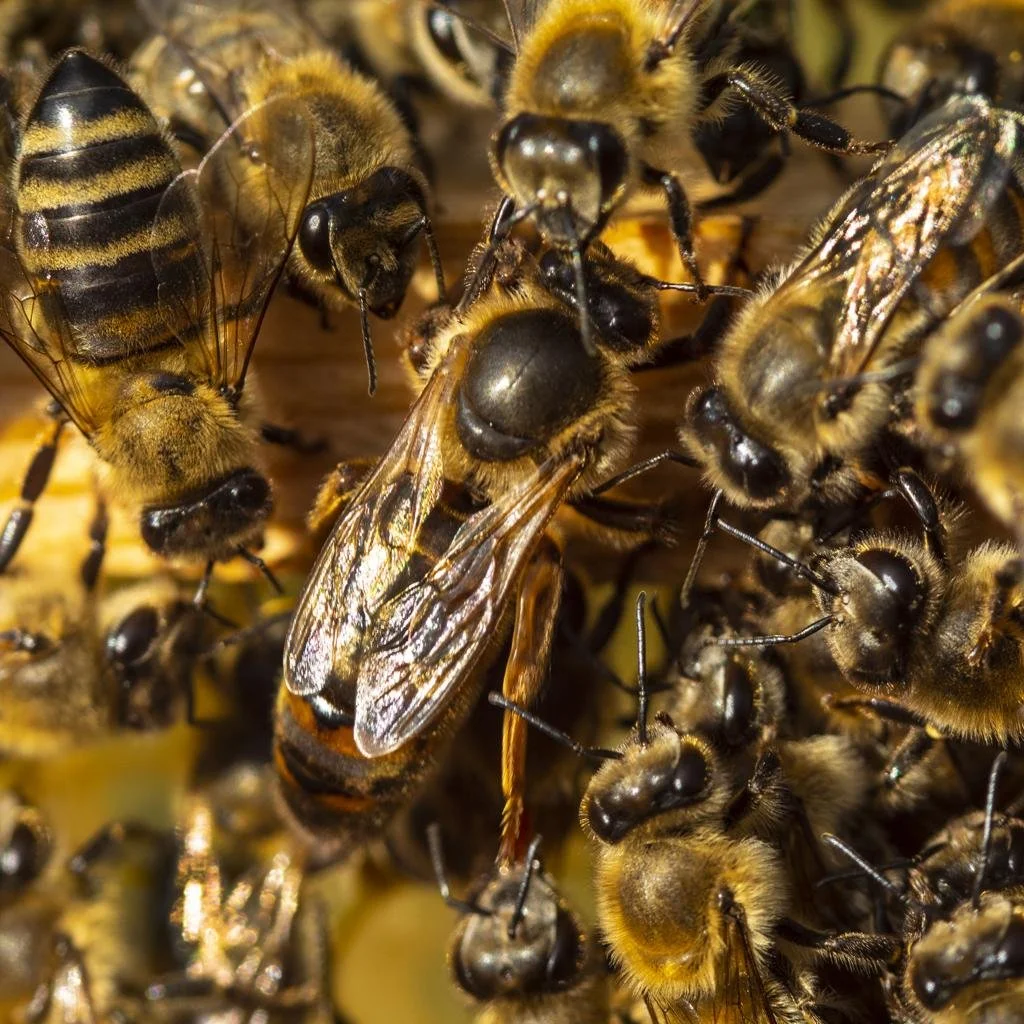
A nuc is only as good as its queen.
In our operation, we are intentionally working with:
Golden West (GW) – fast buildup, strong production
Caucasian – gentle, excellent overwintering
Italian (early season) – reliable spring expansion
Our queens are part of an actively managed breeding system, not random replacements. We focus on:
Consistent laying patterns
Temperament
Performance under Michigan conditions
This translates directly into stronger colonies and better long-term results.
3. A True Nuc Is Balanced—Not Just “Full of Bees”
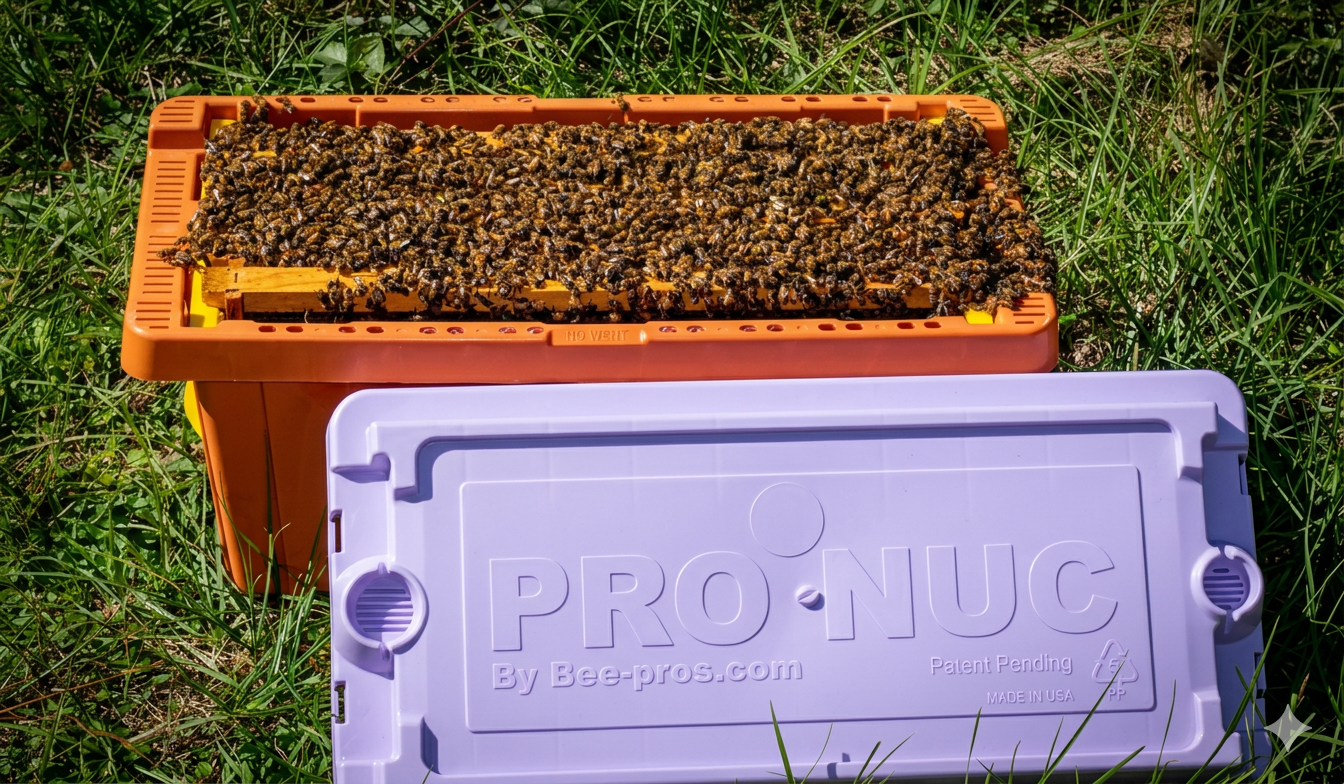
A proper nuc includes more than just bees.
It should have:
Brood (future population)
Adult bees (current workforce)
Pollen (protein for brood)
Honey/nectar (energy reserves)
Some sellers cut corners by rushing splits or selling light boxes.
These colonies often struggle to grow after installation.
Our nucs are built from established, overwintered colonies, ensuring they leave with the strength and resources to continue expanding immediately.
4. Why Late June & July Nucs Are Underrated
Most new beekeepers focus only on early spring nucs—but late-season nucs offer serious advantages:
✔️ Larger populations
Colonies have had more time to build, resulting in more bees and stronger brood cycles
✔️ Proven queens
Queens are fully established and actively producing
✔️ Better stability
These colonies are less fragile than early splits
✔️ Opportunity to overwinter
With proper management, late nucs can be built into strong overwintering colonies
In many cases, a well-managed July nuc can outperform a weak early spring nuc.
5. Built Using a Production-Level System
Our colonies are developed using techniques designed to maximize strength and consistency:
Early spring population acceleration
Continuous feeding during buildup
Use of drawn comb (not just foundation)
Brood boosting and advanced hive configurations
This isn’t hobby beekeeping—it’s a system designed to produce high-performing colonies at scale.
What Most Sellers Won’t Tell You
Many nucs on the market are:
Rushed to meet early demand
Light on brood or resources
Built with unproven queens
They may look good at pickup—but struggle within weeks.
The Larsen’s Lake Apiary Standard
Every nuc we produce is:
Built from overwintered Michigan colonies
Evaluated for strong brood patterns
Headed by an actively laying queen
Balanced with brood, bees, pollen, and honey
Designed for continued growth—not survival
Now Taking Orders: Late June & July Nucs
Our early season nucs are officially sold out.
We are now accepting reservations for:
👉 Late June and July 2026 Nucleus Colonies
These colonies are ideal for:
Beekeepers who want a stronger, more established start
Expanding existing apiaries
Building colonies for fall strength and overwintering
📍 Larsen’s Lake Apiary – Pierson, Michigan
Late Season 2026 Nucs Now Available
