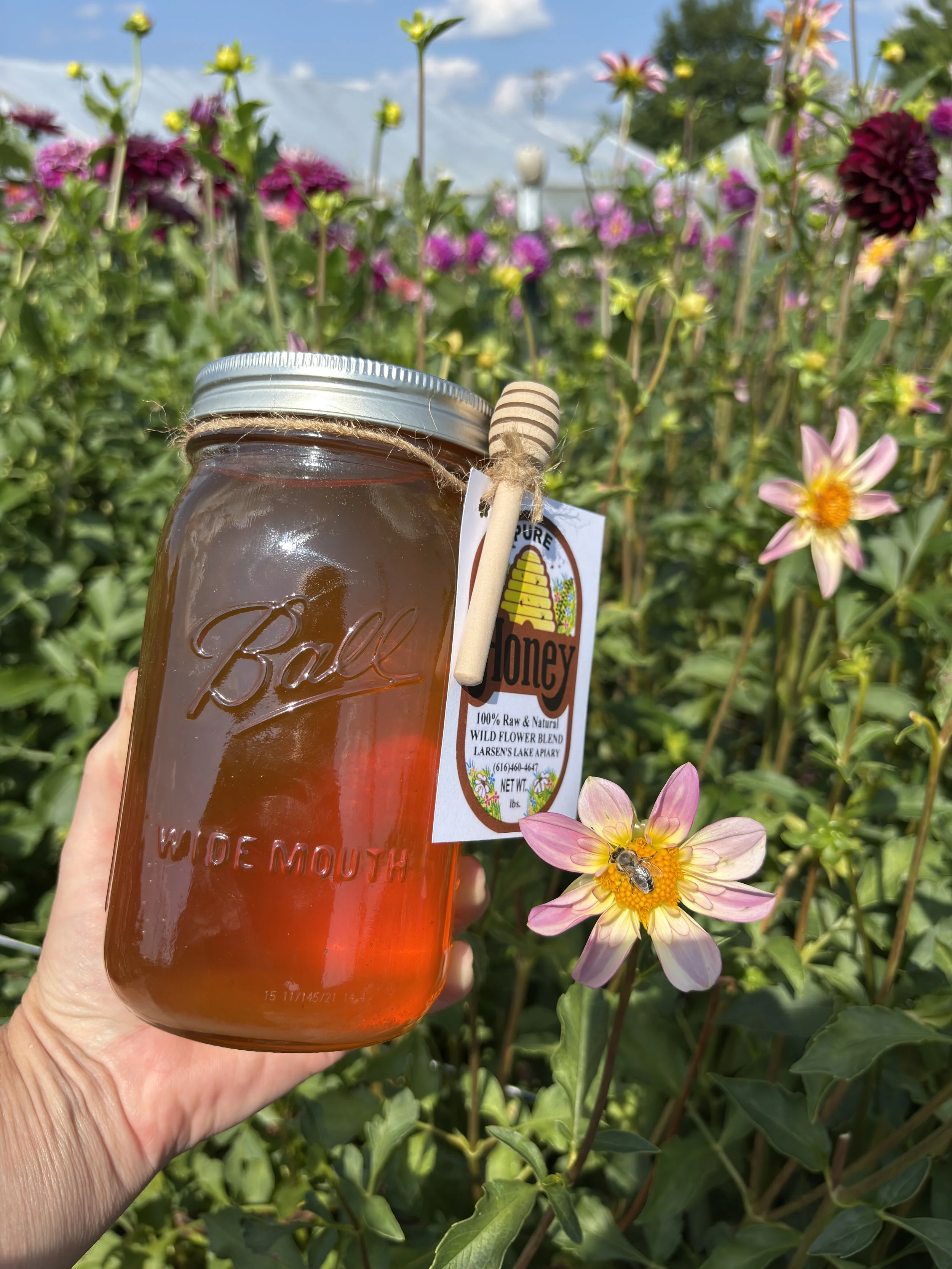
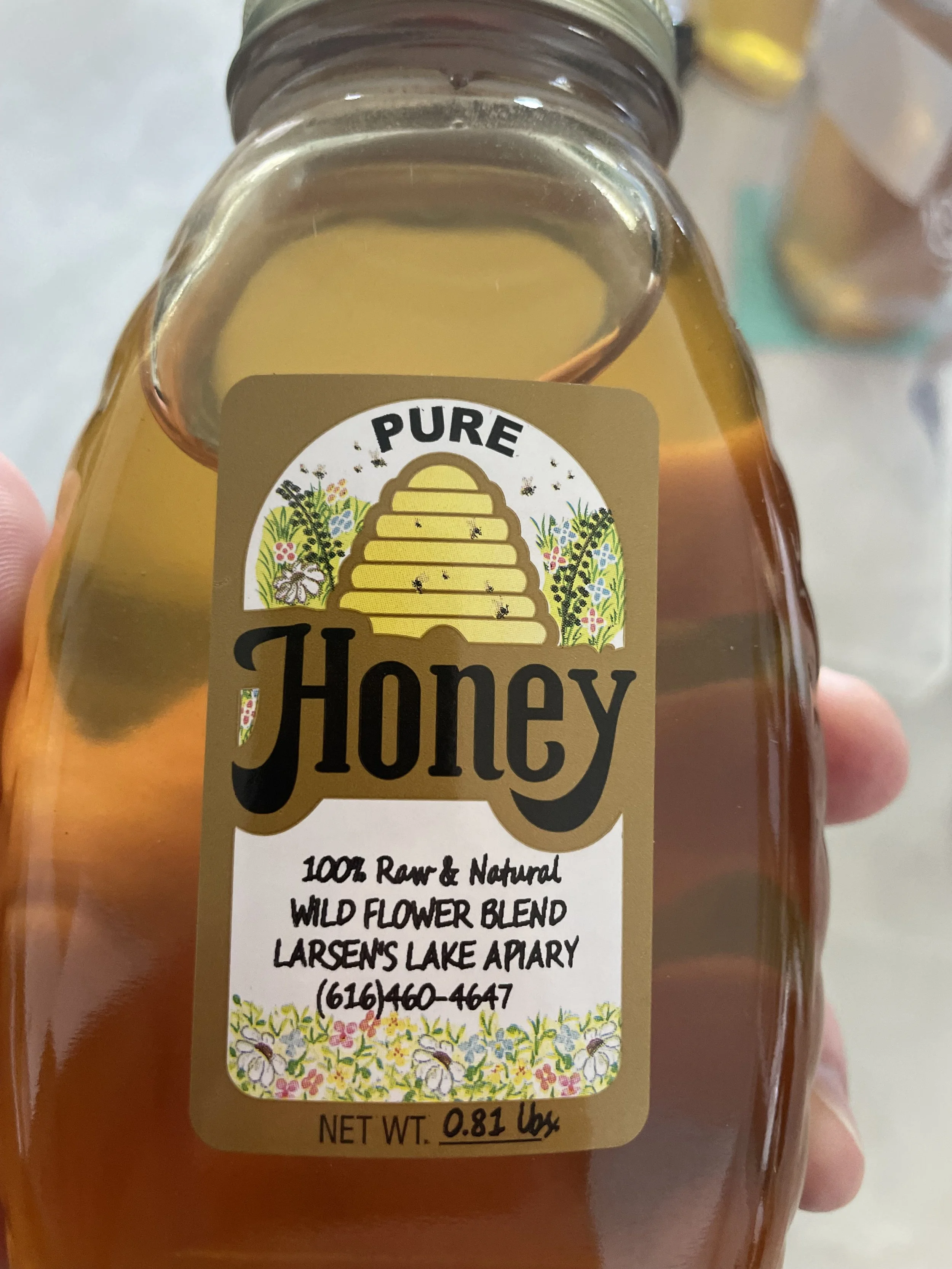
Local Raw Honey from our Pierson Bees
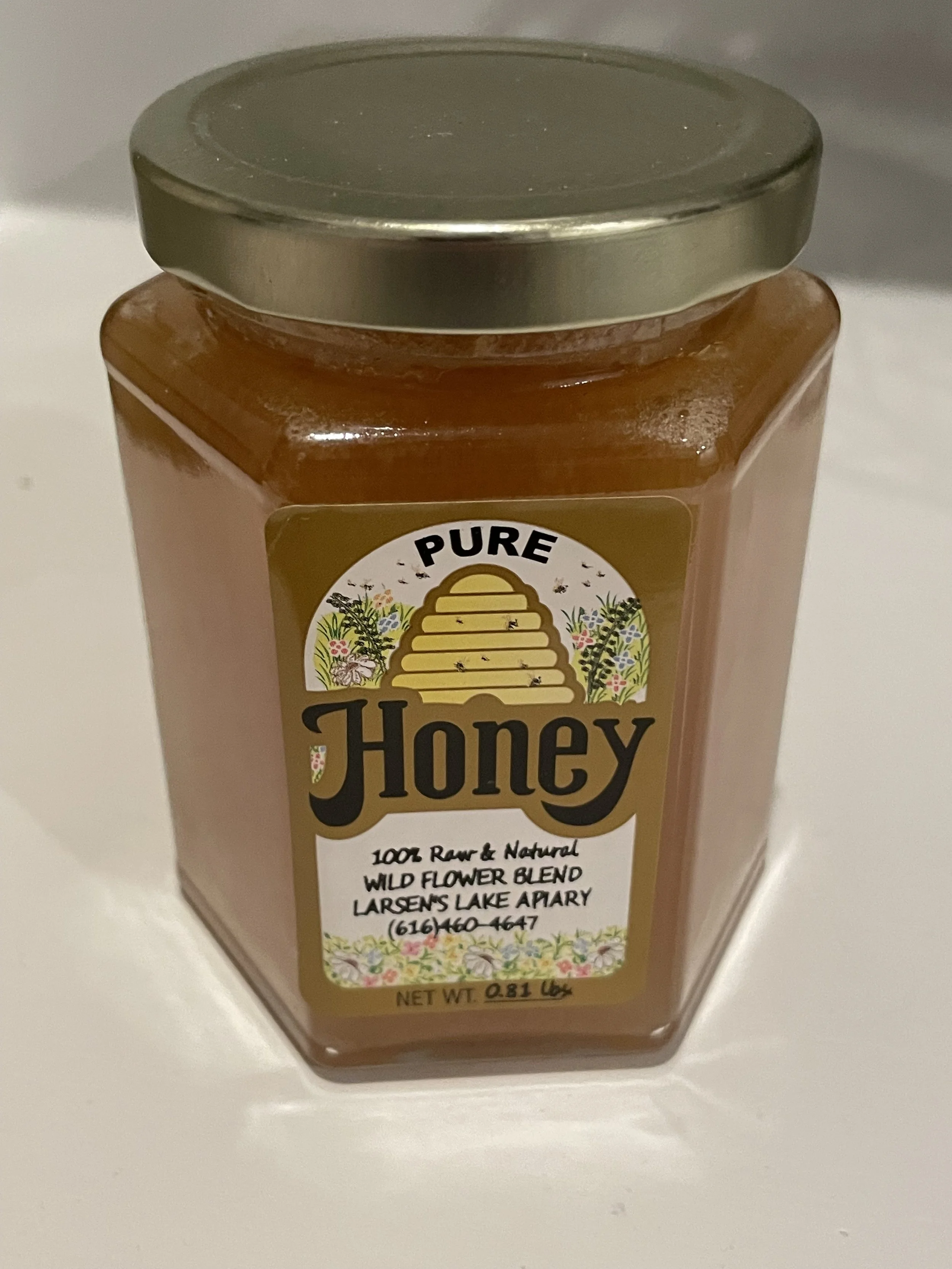
Helpful information about our honey, including harvesting practices, quality, storage, and availability.
-
Raw & Unfiltered
Not heavily processed or ultra-filtered.Harvested from Our Own Apiary
Not blended or sourced from other regions.Small Batch Production
Handled carefully in limited quantities.Local Floral Sources
Wildflower, clover, basswood, lavender, buckwheat and other seasonal blooms. -
At Sticks n Stones Market, our honey is harvested by hand from colonies located right here in Pierson, Michigan. We carefully remove honey frames from the hive at peak ripeness, when the bees have fully capped the comb and the moisture content is naturally balanced.
The honey is gently extracted without added heat. We do not pasteurize or ultra-process it. Instead, we allow the honey to flow naturally from the comb, preserving its natural enzymes, pollen content, and overall structure.
After extraction, the honey is lightly filtered to remove large particles while maintaining the character and integrity of true raw honey. Nothing is added, and nothing is stripped away.
Each batch reflects the floral sources available during that season — a pure expression of West Michigan’s wildflowers and forage.
-
Honey is never exactly the same from season to season — and that’s part of what makes it special.
Because our bees forage throughout the Pierson Township, the flavor of our honey reflects the natural blooms available during each part of the season.
Spring Harvest
Early season honey tends to be lighter in color and milder in flavor. During spring, bees gather nectar from flowering trees, early wildflowers, and clover. The result is a delicate, clean taste with subtle floral notes.
Mid-Summer Harvest
As the season progresses, nectar sources expand to include wildflower blends, basswood, clover, and surrounding field blooms. Summer honey often develops a slightly deeper color and fuller body while maintaining a smooth finish.
Influence of Local Flower Production
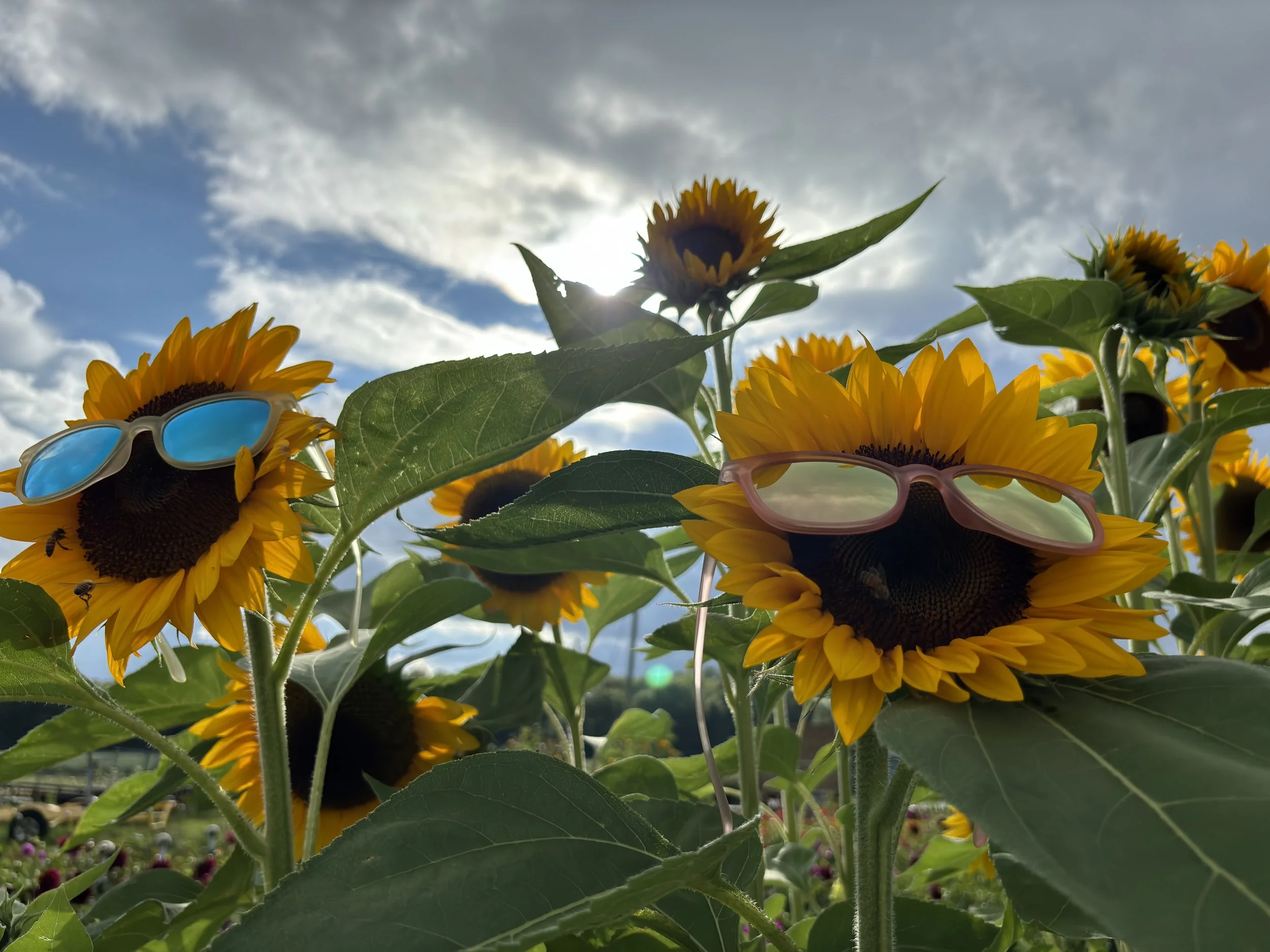
With seasonal flower production in our area — including garden blooms and diverse field forage — our bees have access to a wide range of nectar sources. This diversity creates complexity in both aroma and flavor, making each harvest a reflection of the local landscape at that moment in time.
No two batches are identical. Weather patterns, bloom timing, and forage availability all influence the final product. What remains consistent is our commitment to harvesting honey that captures the character of West Michigan’s growing season.
-
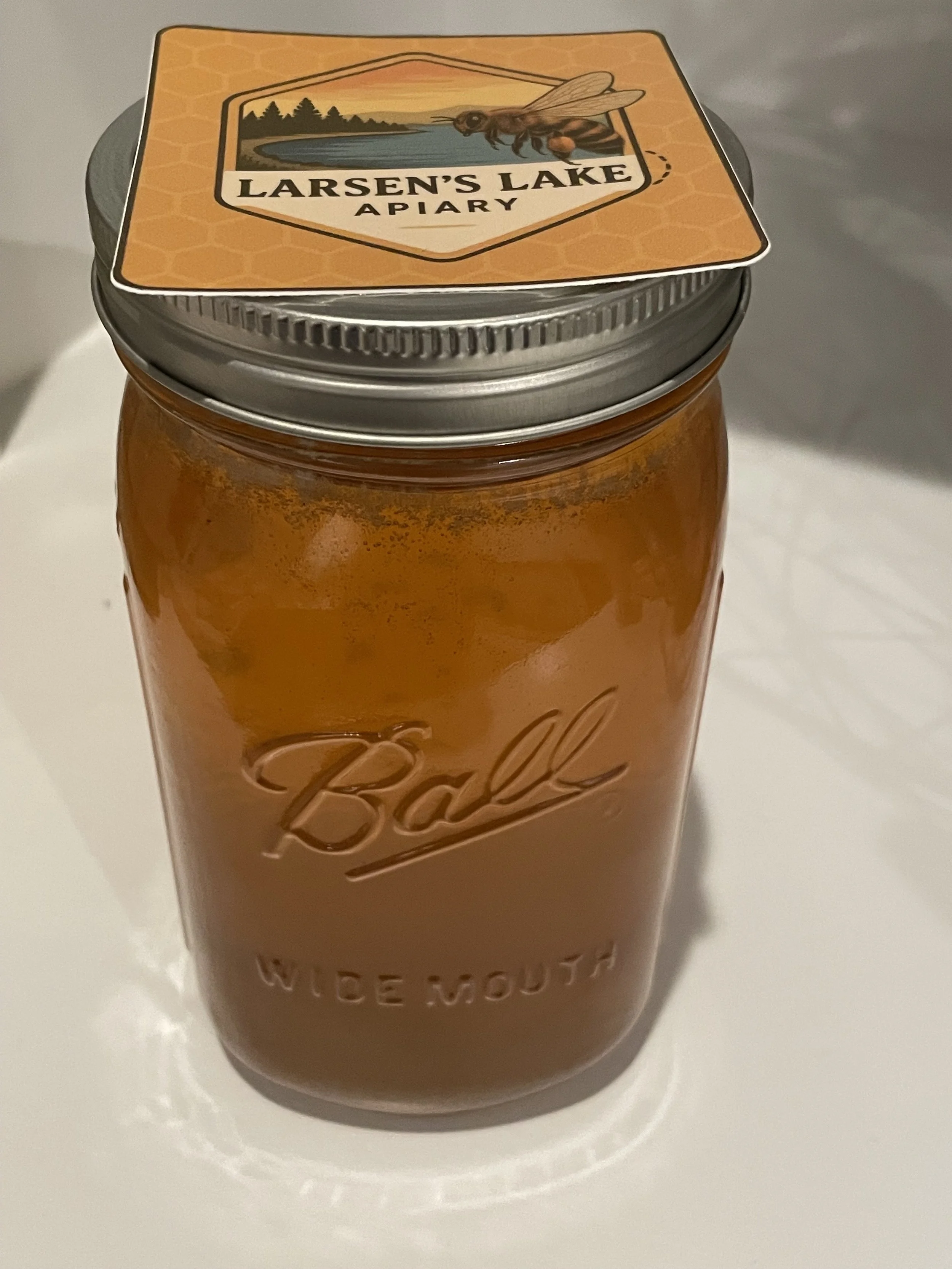
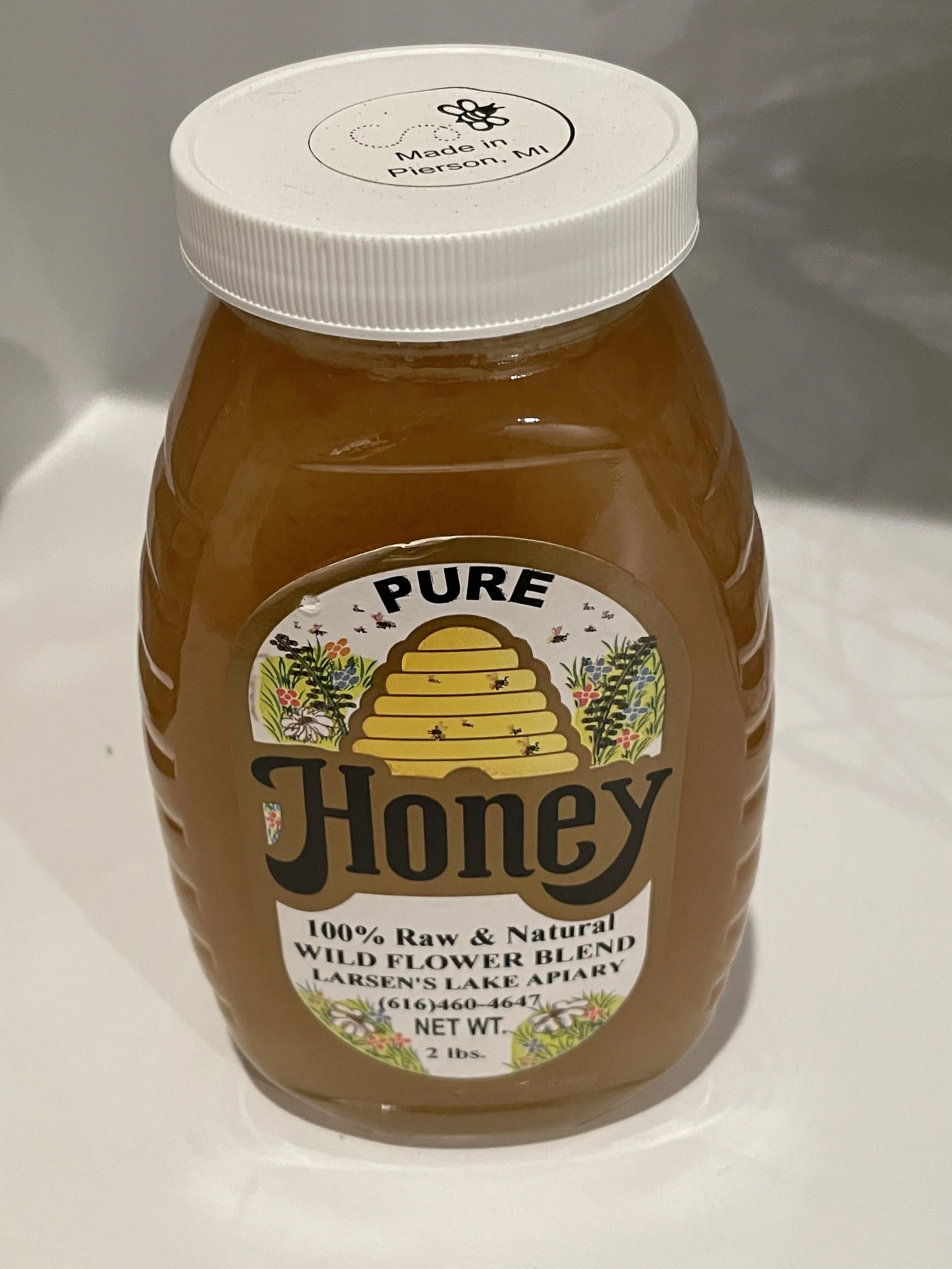
We offer our raw, locally harvested honey in all-glass containers to preserve quality and flavor. Glass helps maintain the integrity of the honey and keeps it free from plastic contact.
Our most popular sizes include:
• 1 Pound Jar
Perfect for everyday use — ideal for tea, toast, baking, and drizzling over fresh fruit.• 2 Pound Jar
A great option for families who use honey regularly or enjoy cooking and baking with it.• 3 Pound (Quart) Jar
Our largest standard size, packaged in a quart glass jar. A quart contains approximately 3 pounds of honey and offers the best value for frequent honey users.Because our honey is harvested in small batches throughout the season, availability may vary. We encourage visitors to stop by Sticks n Stones Market in Pierson to see what’s currently in stock and experience the flavor of West Michigan firsthand.
-
Choosing local honey means more than just enjoying a natural sweetener — it’s a way to stay connected to the land, the seasons, and the community around you.
At Sticks n Stones Market, our honey comes directly from colonies maintained right here in Pierson, Michigan. Because it is produced and bottled locally, it reflects the real forage of West Michigan — from spring wildflowers and clover to the diverse blooms found in fields, woodlots, and surrounding gardens.
Buying local also supports a working farm that is actively invested in sustainable beekeeping. Our structured apiary program focuses on raising strong, locally adapted colonies that can thrive in Michigan’s climate. Healthy bees play a vital role in pollinating both wild landscapes and cultivated plants, contributing to the vitality of the entire region.
When you purchase honey from Sticks n Stones Market, you’re not just buying a product — you’re supporting local agriculture, responsible stewardship of pollinators, and a farm that is deeply rooted in the Pierson community.
-
The quality of our honey begins with the care of our bees. At Sticks n Stones Market, we maintain a structured apiary program focused on raising strong, locally adapted colonies suited to Michigan’s climate and seasonal conditions.
Our management style emphasizes prevention, observation, and healthy genetics rather than relying on routine chemical treatments. By carefully monitoring colony health, maintaining strong populations, and selecting for resilient traits, we work to support natural colony balance while minimizing the need for synthetic inputs.
We prioritize practices that promote overall hive vitality, including thoughtful nutrition, proper hive space management, and maintaining robust brood patterns. This approach helps our bees remain productive pollinators while contributing to a sustainable, responsible beekeeping system.
Because our colonies are managed locally and adapted to the forage and environmental conditions of West Michigan, they play an important role in supporting both our farm’s seasonal flower production and the surrounding agricultural landscape.
To learn more about our breeding philosophy and upcoming nucleus colony availability, visit our Honey Bees page.
Frequently Asked Questions
.
-
No. Our honey is not pasteurized. We extract it without added heat so it retains its natural characteristics, including aroma, flavor, and natural structure,
-
Raw honey can appear cloudy because it still contains tiny amounts of pollen, natural wax particles, and air bubbles from extraction. This is normal and a sign of minimally processed honey.
-
Yes. Honey color can vary depending on the seasonal nectar sources available to the bees. Some batches may be lighter and more delicate, while others may appear darker with a richer flavor.
-
Our colonies are maintained in and around Pierson Township, where bees forage on a diverse mix of wildflowers, trees, and field blooms.
-
We typically offer honey in standard glass containers, but larger quantities may be available seasonally. Please contact us or stop by the market to inquire about current availability.
-
Yes. Honey naturally has an extremely long shelf life when stored properly. Keep it sealed and at room temperature for best quality.
-
Crystallization is a natural process and a sign of raw, minimally processed honey. Over time, the natural sugars in honey can form small crystals, especially when stored in cooler temperatures. This does not affect the quality or safety of the honey.
If you prefer a smoother texture, simply place the sealed jar in warm (not boiling) water and allow it to gently return to a liquid state. Avoid using high heat, as excessive temperatures can reduce the natural qualities of raw honey.
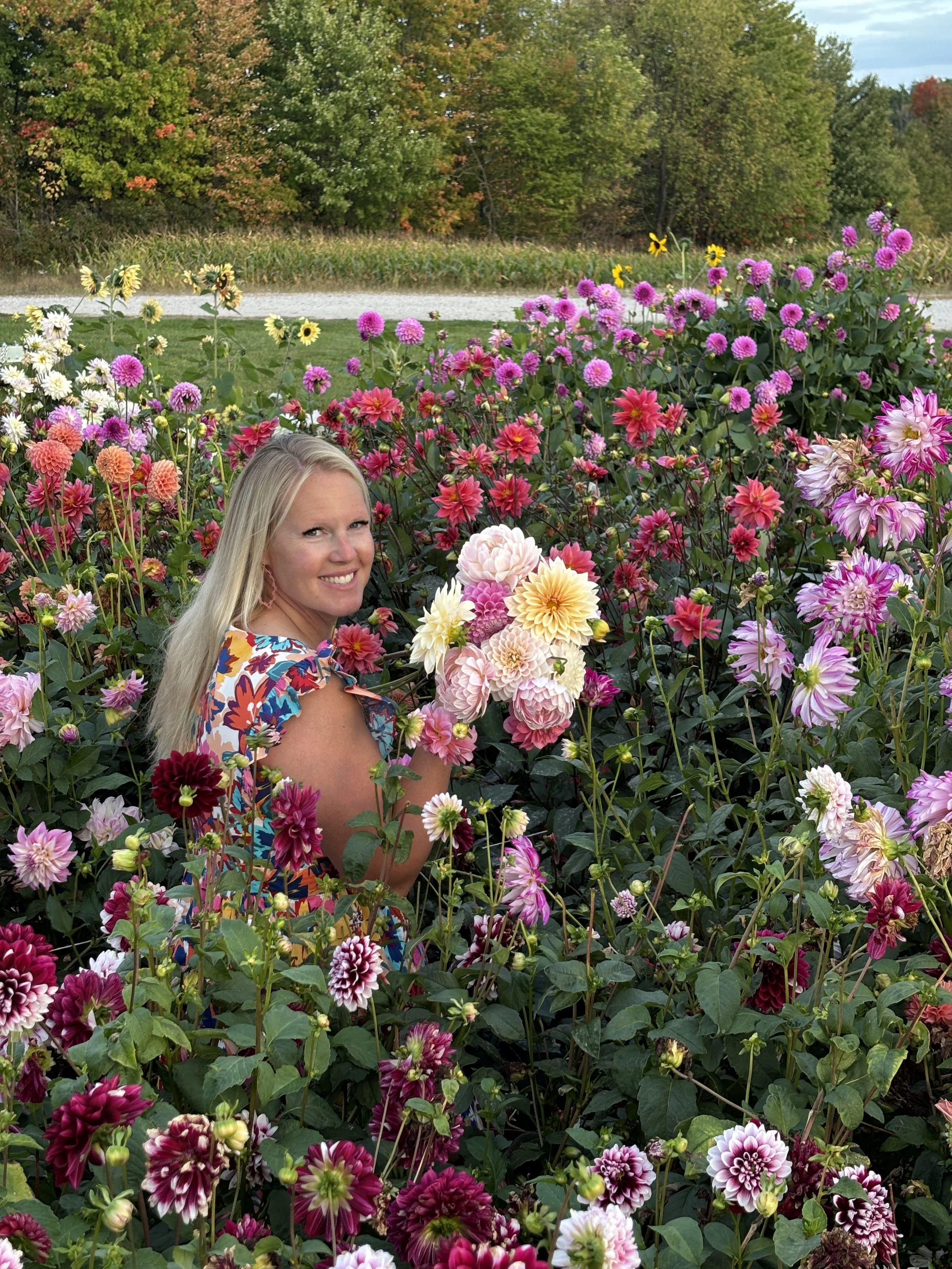
Fresh Cut Flowers
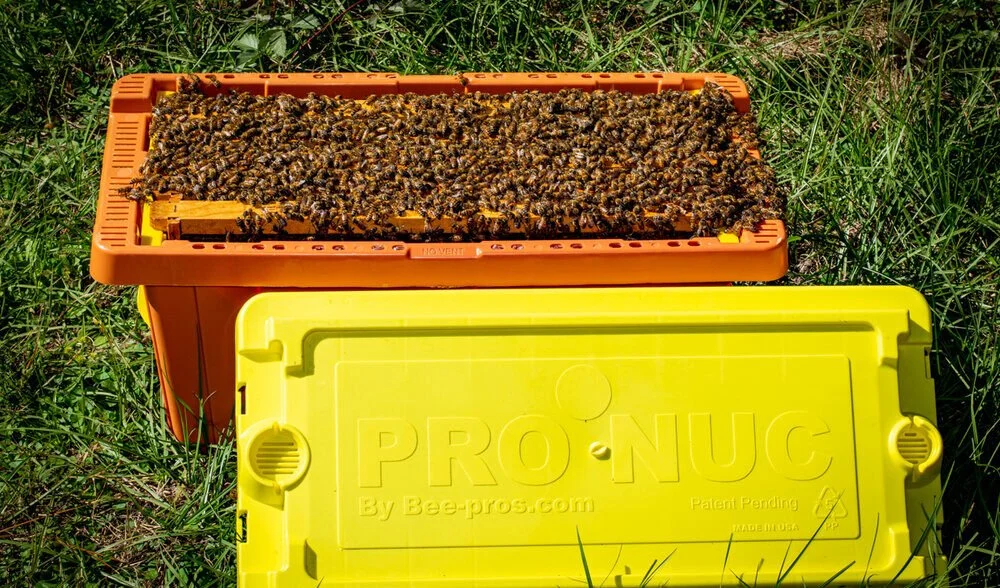
Honey Bee Nucs and Queens
Raw Local Honey