Getting Started in Beekeeping: How to Choose the Right Nucleus Colony Supplier
Why Your First Bees Matter More Than Any Equipment You Buy
Every spring, thousands of new beekeepers begin their journey by ordering their first bees. Most focus on buying hives, suits, and tools — but the single most important decision you will make is where your bees come from.
The quality of your initial colony determines how quickly your hive grows, how easy it is to manage, and whether it survives its first winter.
In northern climates like Michigan, choosing the right nucleus colony supplier can make the difference between success and frustration.
What Is a Nucleus Colony (Nuc)?
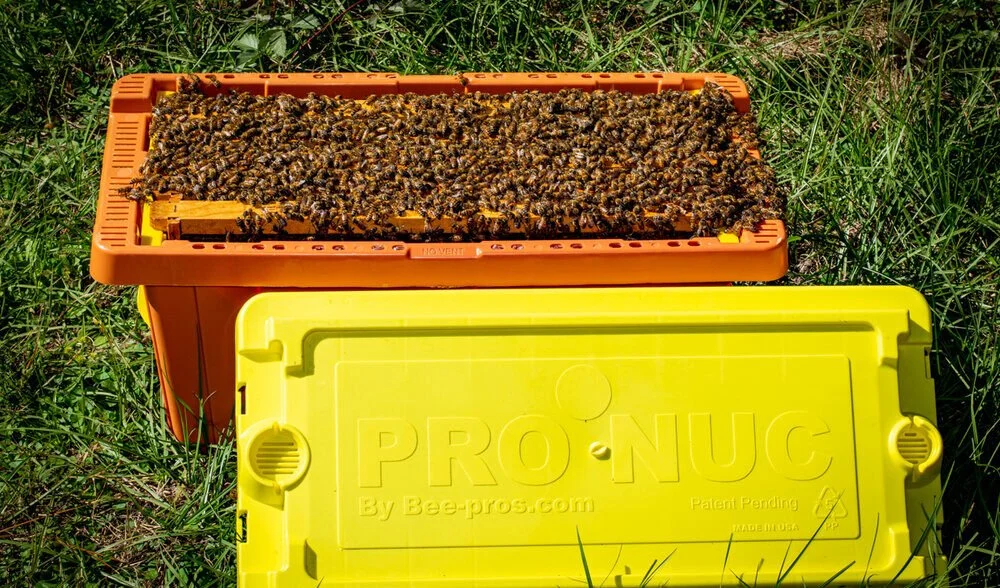
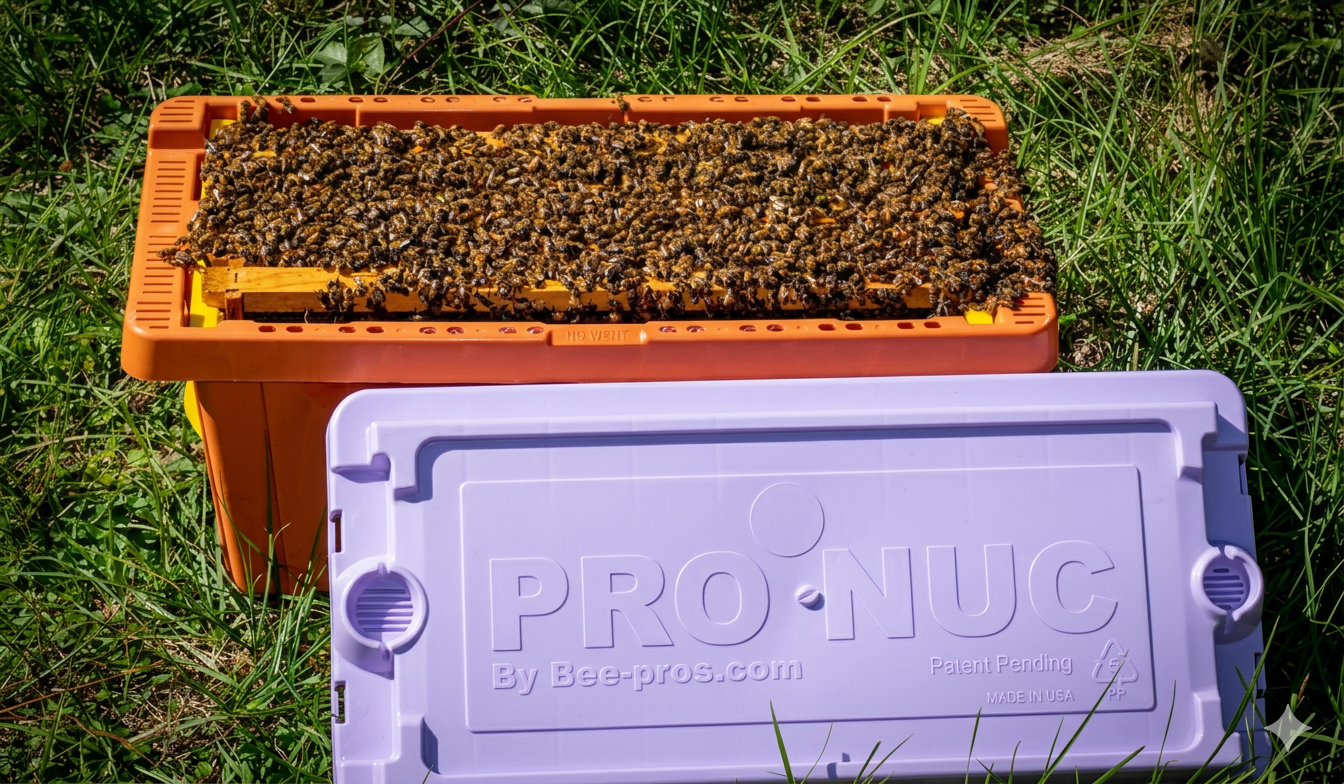
A nucleus colony — commonly called a “nuc” — is a small, fully functioning honey bee colony. Unlike packaged bees, a nuc already includes:
A laying queen
Worker bees of all ages
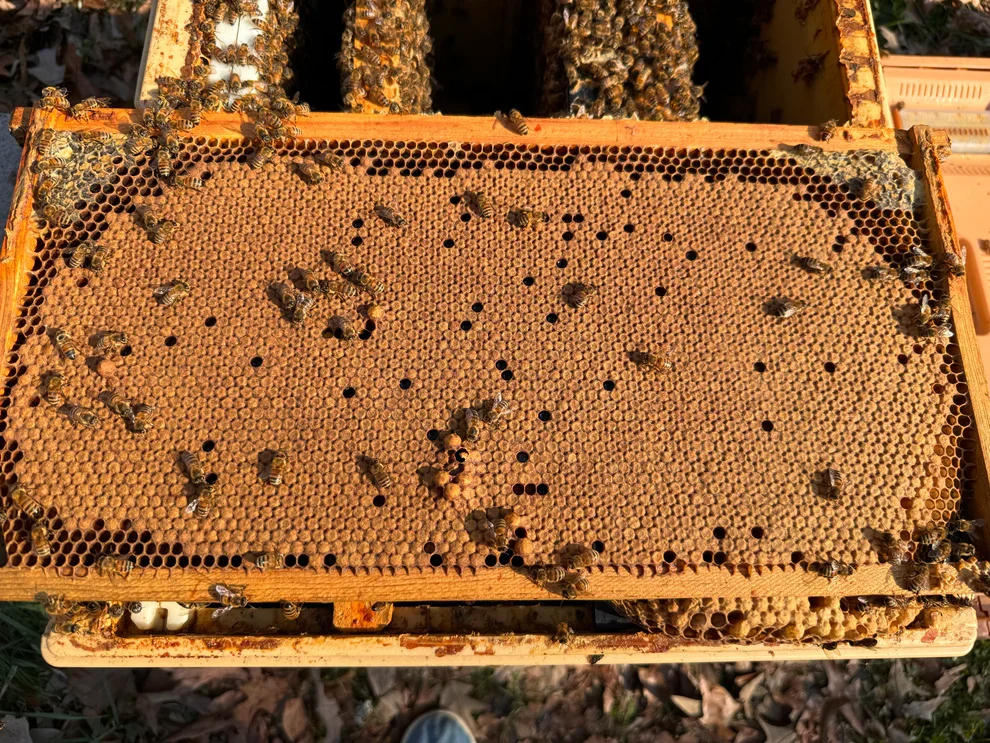
Brood at multiple stages
Food reserves
Established colony structure
Because nucs are already organized as a working colony, they typically develop faster and experience less stress than newly assembled packages.
For most beginners, a nuc is the best way to start.
Not All Nucs Are Created Equal
Many first-time beekeepers assume all nucs are similar. In reality, nucs can vary dramatically in quality depending on how they are produced.
There are two very different approaches to nuc production:
Basic Split Nucs
These are created by dividing frames from larger colonies shortly before sale. While they may contain bees and brood, they often lack:
Proven queen performance
Balanced population
Proper colony development time
Basic splits can struggle to grow and sometimes require significant management from the beekeeper.
Structured Breeding Nucs
Higher-quality nucs come from programs that prioritize queen evaluation, genetic selection, and colony balance.
These colonies are intentionally built and monitored before sale, ensuring:
Strong brood patterns
Stable temperament
Healthy population growth
Reliable queen performance
This type of nuc gives new beekeepers a far better starting point.
Why Local Adaptation Matters in Northern Climates
Michigan beekeeping presents unique challenges:
Long winters
Short nectar flows
Rapid spring weather changes
Variable forage availability
Bees raised in warmer regions may struggle to adapt to these conditions.
Locally bred bees, however, are selected under the same environmental pressures they will experience in your yard. Over time, this selection improves:
Overwinter survival
Spring buildup speed
Foraging efficiency
Disease resistance
For new beekeepers, choosing locally adapted bees significantly increases the likelihood of long-term success.
What to Look for in a Quality Nuc Supplier
Before placing a deposit, consider asking your supplier the following questions:
1. How Are Queens Selected?
Strong nucs begin with strong queens. Look for programs that evaluate queens for brood pattern, temperament, and performance before using them in production colonies.
2. Are Bees Locally Adapted?
Ask whether the bees are raised in your region and selected under local climate conditions.
3. How Long Are Nucs Established Before Sale?
Colonies should have time to develop and stabilize before being offered to customers.
4. Is There a Structured Breeding Program?
Programs that use controlled breeder lines and drone saturation strategies typically produce more consistent colonies.
5. Is Pickup Timed Based on Colony Strength?
Responsible producers release nucs when they are ready — not simply on a fixed calendar date.
How a Structured Apiary Program Supports Beginner Success
At Sticks n Stones Market, our honey bee program is built around long-term sustainability rather than rapid production.
Our approach includes:
Installing breeder queens into safety nucs for evaluation
Selecting only proven queens for production colonies
Maintaining drone-saturation yards to influence mating quality
Focusing on locally adapted genetics suited to West Michigan
This structured process ensures each nuc is a developing production colony rather than a simple split.
When Should You Order Your Bees?
Spring nuc availability is limited because colonies require time to develop properly.
Most suppliers accept reservations months in advance, and deposits are often required to secure a spot in the seasonal production schedule.
For Michigan beekeepers, placing a reservation in winter or early spring ensures access to locally produced colonies when they become ready in late spring.
The First Step Toward Successful Beekeeping
Getting started in beekeeping is both exciting and rewarding. Choosing the right nuc supplier provides a strong foundation that will influence every stage of your beekeeping journey.
By selecting a locally focused program that prioritizes queen quality, colony balance, and sustainable breeding practices, new beekeepers can begin with confidence — and give their bees the best chance to thrive.
Ready to Start Your Beekeeping Journey?
If you’re considering beekeeping in West Michigan, our locally adapted nucleus colonies are raised specifically for this region’s climate and conditions.
You can learn more about our breeding program and reserve a nuc for the upcoming season by visiting our Honey Bees section.